What Actually Helps You Recover Faster After Training?
Recovery Is Where Fitness Is Built
Training creates the stimulus. Recovery is where adaptation happens. Without adequate recovery, you're not getting fitter — you're just accumulating fatigue.
The problem is that "recovery" has become a crowded, noisy space. Ice baths, compression boots, red light therapy, magnesium supplements — it can be hard to know what's genuinely useful and what's marketing. This guide cuts through the noise and focuses on what the evidence actually supports.
The Non-Negotiables First
Before any tool or supplement makes a meaningful difference, the fundamentals need to be in place. These aren't optional extras — they're the foundation everything else sits on.
1. Sleep
The single most powerful recovery tool available to any athlete. During deep sleep, your body releases growth hormone, repairs muscle tissue, consolidates motor patterns, and regulates inflammation. Consistently getting 7–9 hours of quality sleep will outperform any recovery device on the market.
If sleep is a weak point, start there before investing in anything else. We cover this in detail in our guide to how better sleep can improve training, recovery and performance.
2. Nutrition — Protein and Carbohydrates
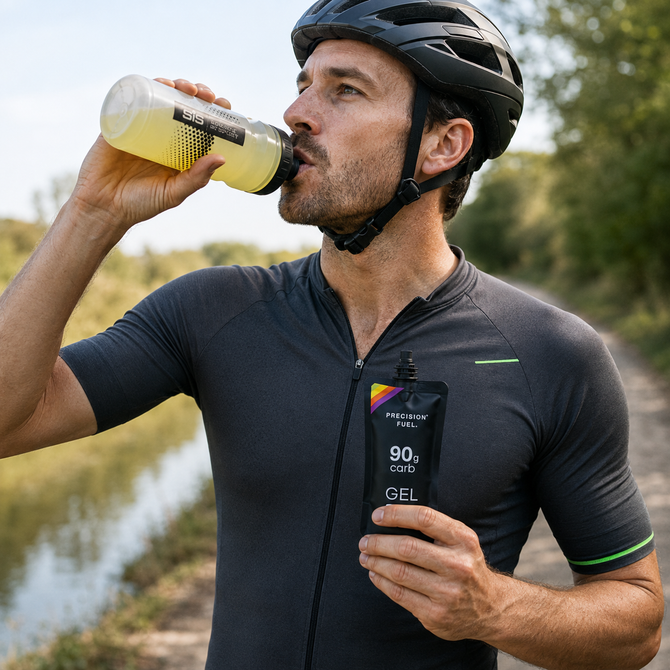
Post-exercise, your muscles need two things: protein to repair and rebuild, and carbohydrates to replenish glycogen stores.
-
Protein: Aim for 20–40g of high-quality protein within 2 hours of finishing a hard session
-
Carbohydrates: Prioritise carb intake in the first 30–60 minutes post-exercise, especially after long or depleted sessions
TORQ 4 Recovery Drink Sample Pack — A 4:1 carbohydrate-to-protein ratio designed specifically for the post-exercise window. Convenient, fast-absorbing, and formulated to accelerate glycogen resynthesis.
EQUA Recharge Tonic — A recovery-focused supplement combining adaptogens and micronutrients to support the body's stress response after hard training.
EQUA Recharge Tonic + Creatine — Adds creatine to the mix, which has strong evidence for supporting muscle recovery and power output over time.
3. Hydration and Electrolytes
You finish every session in some degree of fluid deficit. Rehydrating fully — including replacing lost sodium — is essential for recovery. See our guide to electrolytes vs hydration tablets for a full breakdown.
Once the fundamentals are covered, targeted recovery tools can meaningfully accelerate the process — particularly for athletes training at high volume or frequency.
Massage and Percussion Therapy
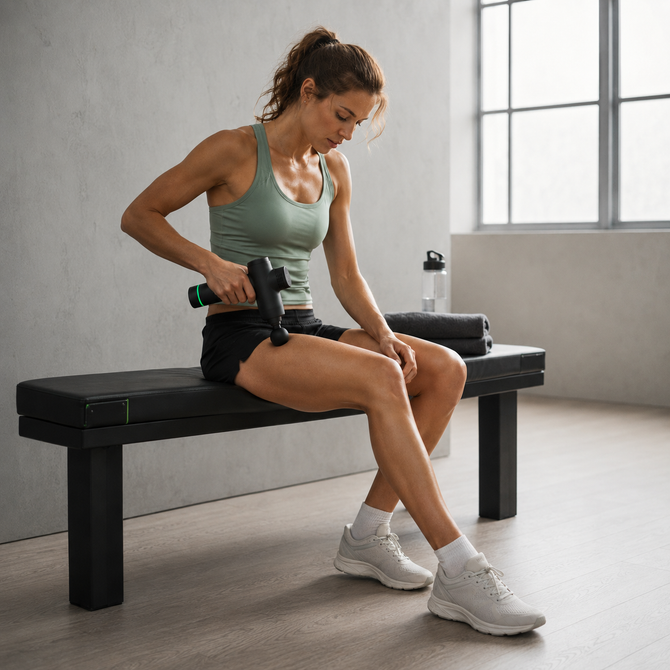
Percussion massage guns increase blood flow to muscle tissue, reduce delayed onset muscle soreness (DOMS), and improve range of motion. The evidence for their effectiveness on perceived soreness and short-term recovery is solid.
Hyperice Hypervolt 2 — The benchmark percussion massage gun. Quiet, powerful, and versatile enough for full-body use. A strong all-rounder for daily recovery.
Hyperice Hypervolt 2 Pro — Higher torque and more attachment options for deeper tissue work. Better suited to athletes with higher training loads or specific problem areas.
Hyperice Hypervolt Go 2 — Compact and travel-friendly. Ideal for post-race recovery or use on the go.
Hypersphere Go — A vibrating massage ball for targeted work on feet, glutes, and hard-to-reach areas that a gun can't address as precisely.
Vyper 3 — A vibrating foam roller that combines the benefits of traditional foam rolling with percussive vibration for deeper muscle release.
Heat Therapy
Heat increases blood flow, relaxes muscle tissue, and reduces stiffness — particularly effective for chronic tightness or as a pre-session warm-up tool.
Hyperice Venom Go — A portable heat therapy wrap with vibration. Compact enough to use anywhere, effective for targeted muscle groups.
Hyperice Venom 2 Back — Combines heat and vibration in a wrap designed specifically for the lower back — a common problem area for runners and cyclists.
Hyperice Venom 2 Leg — Same heat-and-vibration combination for quads, hamstrings, and calves.
Hyperice Venom 2 Shoulder — For swimmers, climbers, or overhead athletes dealing with shoulder tightness.
Floe Infrared Sauna Blanket — Infrared heat penetrates deeper than surface heat, promoting circulation, reducing inflammation, and supporting parasympathetic recovery. A premium option for athletes who want sauna-style benefits at home.
Floe Infrared PEMF Mat — Combines infrared heat with pulsed electromagnetic field therapy, which has emerging evidence for reducing inflammation and supporting cellular recovery.
Compression Therapy
Pneumatic compression — where inflatable sleeves rhythmically compress the legs — is one of the most well-researched recovery modalities. It accelerates venous return, reduces swelling, and clears metabolic waste from muscle tissue.
Normatec 3 Legs — The gold standard in compression recovery. Used by professional athletes and sports teams worldwide. Sequential compression from foot to hip for full lower-body recovery.
Hyperice Normatec Premier Legs — The premium tier, with more precise zone control and a higher-quality build for serious athletes.
Hyperice Normatec Lower Legs — A more accessible entry point, focusing compression on the calves and lower legs — the area most runners and cyclists need most.
Hyperice Normatec Arm Attachments — Extends compression therapy to the upper body for swimmers, rowers, and overhead athletes.
Hyperice Contrast 2 Knee — Alternates between heat and cold therapy for targeted joint recovery. Particularly effective for managing knee soreness and inflammation.
Red Light Therapy
Red and near-infrared light therapy (photobiomodulation) has a growing body of evidence supporting its role in reducing muscle soreness, accelerating tissue repair, and improving mitochondrial function.
Floe Red Light Panel — Full-body red light exposure for systemic recovery benefits. Best used post-session for 10–20 minutes.
Floe Red Light Mat — Lie-down format for passive, full-body red light therapy. Pairs well with the sauna blanket for a comprehensive recovery session.
Floe Red Light Wand — Targeted red light for specific areas — joints, tendons, or localised soreness.
Nervous System Recovery
Hard training doesn't just stress your muscles — it stresses your nervous system. Tools that support parasympathetic activation (the "rest and digest" state) can meaningfully improve recovery quality.
Pulsetto Fit Vagus Nerve Stimulator — Delivers gentle electrical stimulation to the vagus nerve, promoting parasympathetic activation and reducing stress hormones. Increasingly used by endurance athletes for nervous system recovery.
Pulsetto Lite — A more accessible entry point to vagus nerve stimulation, with the same core mechanism at a lower price point.
Supplements That Support Recovery
EQUA Magnesium Complex — Magnesium plays a key role in muscle relaxation, sleep quality, and reducing exercise-induced inflammation. Many athletes are deficient. A well-formulated magnesium supplement is one of the most evidence-backed recovery supplements available.
EQUA Zzzone Out Capsules — A sleep-support formula designed to improve sleep onset and quality — directly supporting the most important recovery tool of all.
EQUA Good Night Patches — Transdermal delivery of sleep-supporting compounds for athletes who prefer not to take capsules before bed.
Recovery Bundles
If you're building a recovery routine from scratch, bundles offer a cost-effective way to combine complementary products.
Recovery Reset Bundle — A curated starting point for athletes new to structured recovery.
Sleep & Recovery Bundle — Combines sleep support with recovery tools — ideal if sleep quality is your primary focus.
Premium Recover Better Bundle — A comprehensive recovery stack for athletes who want to cover all the bases.
Browse the full Recover collection to explore everything available.
What Doesn't Work (or Works Less Than You Think)
-
Ice baths for muscle growth: Cold water immersion blunts the inflammatory response that drives muscle adaptation. Useful for managing soreness before a quick turnaround, but counterproductive if used after every strength session.
-
Stretching alone: Static stretching post-exercise has limited evidence for reducing DOMS. It has a role in maintaining range of motion, but it's not a recovery tool in isolation.
-
Supplements without fundamentals: No supplement overcomes poor sleep or inadequate nutrition. Get the basics right first.
Key Takeaways
- Sleep and nutrition are the foundation — everything else is an accelerant
- Percussion massage, compression, and heat therapy have the strongest evidence base among recovery tools
- Red light therapy and vagus nerve stimulation are emerging modalities with promising research
- Magnesium is one of the most evidence-backed recovery supplements for athletes
- Build your recovery routine progressively — start with fundamentals, then layer in tools